
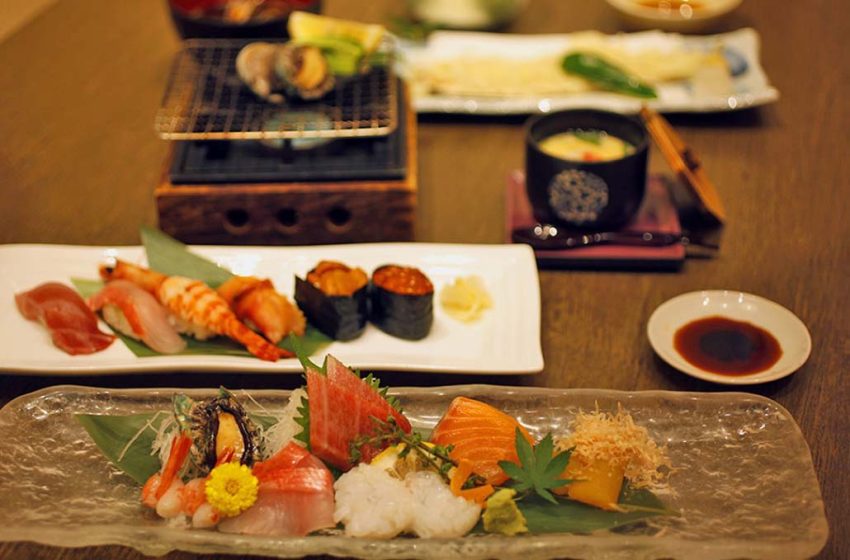
Whenever I think of Japan, what I look forward to most isn’t the bustling streetscapes or ancient temples, but rather the delightful surprises of Japanese cuisine. For this independent trip to Japan, I decided to let my taste buds lead the way as I explored Tokyo, Kyoto, and Osaka—sampling everything from street food snacks to exquisite gourmet dishes, and savoring the unique charm of every single bite.
Tokyo Culinary Experiences: Asakusa Street Food and Tsukiji Sushi
My first stop was the narrow alleys near Senso-ji Temple, an area renowned as a hub for Tokyo’s street food scene. The moment I stepped into the lanes, I was enveloped by a symphony of aromas: the scent of deep-fried tempura, the sweet fragrance of grilled red bean mochi, and the savory whiff of snacks sizzling in soy sauce—a blend that compelled me to take deep breaths and pause at every turn. I spontaneously bought a serving of tempura; its golden-brown exterior was irresistibly crispy and inviting. With just one bite, the tender shrimp and the airy batter melded together perfectly in my mouth—it was so delicious, I could hardly stop eating. Nearby, the red bean mochi offered a slightly crisp exterior with a sweet, chewy interior. Served piping hot, it was sweet without being cloying; paired with the subtle fragrance of red beans, it instantly gave me a taste of the exquisite refinement and heartwarming comfort found in Japanese street snacks.
Eating as I walked, I strolled through the grounds surrounding Senso-ji Temple. Pink cherry blossoms drifted down to the ground, creating a striking contrast between the ancient temple architecture and the bustling, lively alleys. Children chased one another and giggled in the lanes, couples posed for photos in front of the temple, and visitors savored their food while soaking up the city’s unique rhythm. I paused to take a sip of hot tea, watching the cherry blossoms at the street corner sway gently in the breeze, and felt a deep appreciation for the subtle nuances of Tokyo’s culture and the warmth of its everyday life.
Afterward, I headed to Tsukiji Market—a world-famous seafood paradise and a pilgrimage site for any true food lover. The market was a feast for the senses: the lively shouts of fishmongers, the glistening slices of fresh fish laid out on beds of ice, and the savory aromas wafting from the restaurants lining the streets all intertwined to create a dazzling, overwhelming spectacle. I stepped up to a sushi bar and ordered a piece of salmon nigiri; the chef, with practiced skill, draped a thick slice of fresh fish over a mound of vinegared rice and gently handed it to me. The moment it entered my mouth, the tender freshness of the fish slices blended perfectly with the subtle acidity of the rice; it felt as though every bite spoke volumes about a deep respect for ingredients and a spirit of true craftsmanship.
Osaka Street Food: Dotonbori Takoyaki and Okonomiyaki
In Osaka, I couldn’t wait to dive headfirst into a culinary adventure through the narrow alleys of Dotonbori. As I stepped inside, the air was thick with the aroma of takoyaki; the piping-hot dough balls bubbled and sizzled on the iron griddle, and the stall owner flipped each one with such swift, precise movements that I couldn’t help but stop to watch. I bought a fresh-off-the-griddle serving of takoyaki and took a gentle bite: the exterior was crispy and slightly charred, while the octopus inside was tender yet delightfully chewy. The flavors of the sauce, mayonnaise, and bonito flakes burst upon my tongue—each bite was warm, comforting, and utterly satisfying.
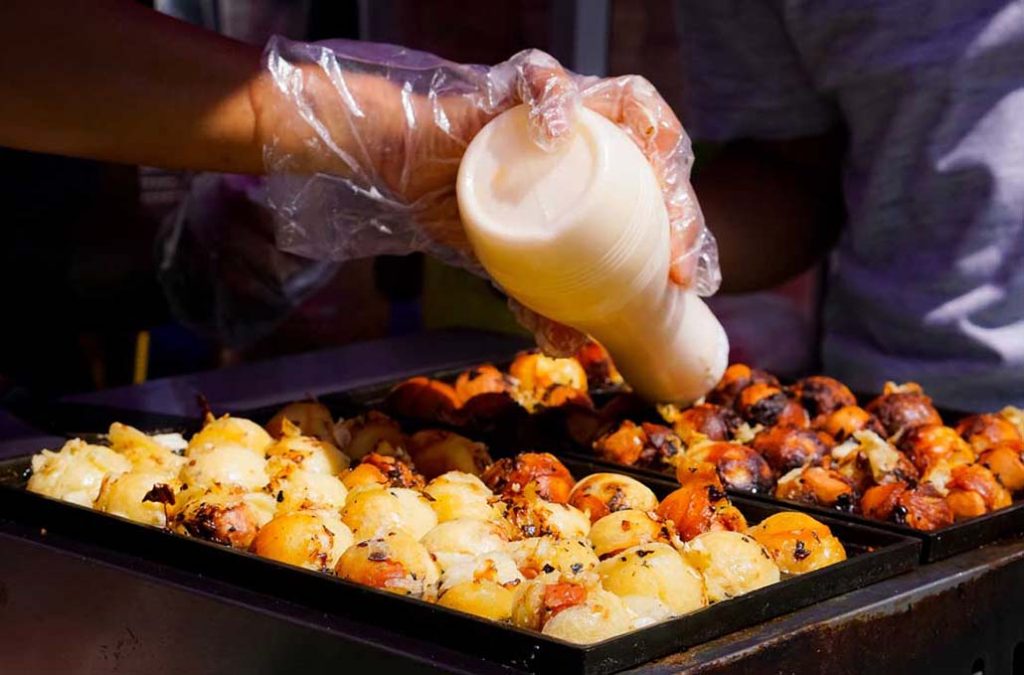
Not far away, okonomiyaki was also making an enticing sizzling sound on the griddle. A thick pancake base, piled high with fresh vegetables, seafood, and sauces, was skillfully flipped by the stall owner with a spatula, instantly filling the entire alley with its savory fragrance. I ordered a classic okonomiyaki; when sliced open, a cloud of steaming heat—accompanied by the scent of the sauce—wafted up to greet me. With every bite, the rich array of ingredients melded together in my mouth, offering distinct layers of texture and a depth of flavor that was truly satisfying. As I ate, I found myself watching the stream of tourists and locals lining up around me, soaking in the unique hustle and bustle—the vibrant energy—of this street scene.
Osaka’s street food is not merely exceptional in taste; it serves as a microcosm of the city’s culture. As I strolled slowly along the alleys—observing the crowds coming and going at the stalls and the enthusiastic vendors behind the counters—I felt as though I could truly sense the rhythm and passion of this city. Every bite of takoyaki and okonomiyaki not only filled my stomach but also enriched my travel memories, leaving me with a profound and vivid experience of Osaka’s street gastronomy.
The Kaiseki Experience: A Perfect Fusion of Refinement and Seasonality
In Kyoto, I experienced another pinnacle of Japanese cuisine: Kaiseki Ryori. Stepping into that quiet restaurant, the elegant wooden decor and soft lighting immediately put me at ease, as if I had entered a world dedicated entirely to the pleasures of taste and the senses. Upon taking my seat, I was presented with a multi-course set meal; each small dish resembled a meticulously arranged work of art—vibrantly layered vegetables, translucent slices of fish, and delicate, silky tofu—each element revealing the chef’s exquisite craftsmanship.
The moment the first bite touched my palate, a flavor profile that was simultaneously light and richly layered unfolded in my mouth. The crisp tenderness of the vegetables, the savory freshness of the fish, and the subtlety of the sauce wove together into a harmonious symphony of textures, compelling me to close my eyes and savor the moment deeply. With every mouthful, it felt as though I were engaging in a dialogue with the seasons—the freshness of spring, the natural purity of the ingredients, and the chef’s heartfelt dedication were all infused within.
The restaurant was quiet and elegant, so much so that one could almost hear the faint sound of cutlery gently touching the plates. Observing the servers’ soft-spoken and meticulous movements, I realized that Kaiseki cuisine is not merely a culinary indulgence, but a profound cultural experience: a demonstration of respect for the changing seasons, reverence for the ingredients, and gracious hospitality toward the guest. With every dish I tasted, I could sense the Japanese people’s meticulousness and dedication to the art of living—an experience that allowed me to deeply grasp the true embodiment of “nature and authentic flavor” within their cuisine.
A Japanese Dessert Experience: Matcha Latte and Matcha Cake
Desserts were, without a doubt, another major highlight of my trip to Japan. That afternoon, I strolled into a small yet exquisite café in Tokyo’s Shibuya district; sunlight streamed through the windows, casting a warm glow upon the wooden tabletops, while the entire space was permeated by the subtle, soothing aromas of coffee and tea. After taking my seat, I ordered a matcha latte and a slice of matcha cake, my heart brimming with anticipation.
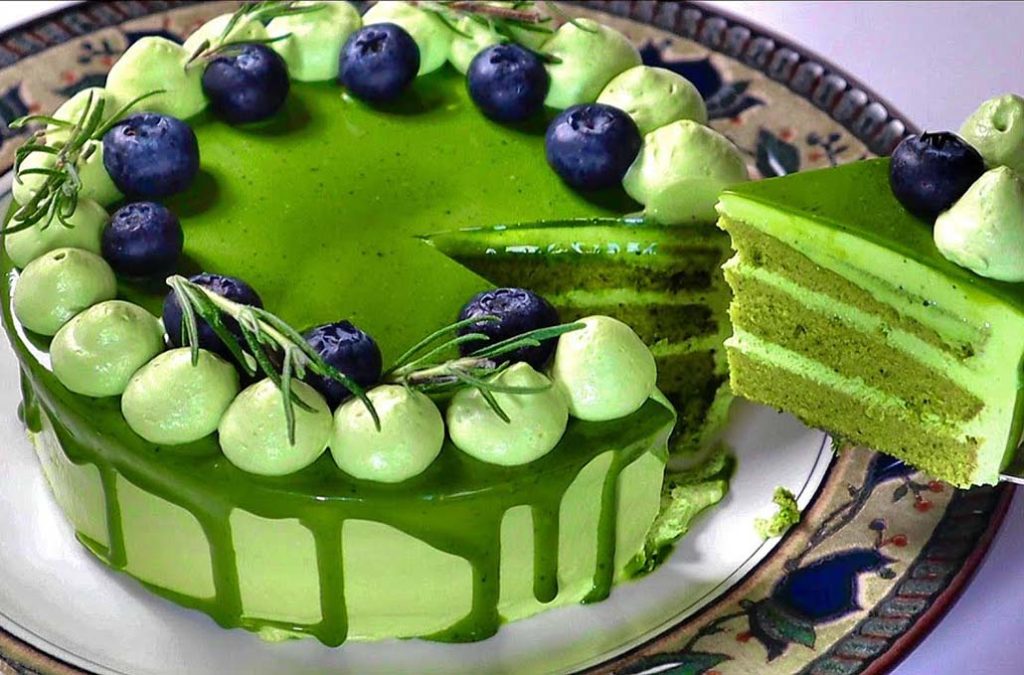
The moment the matcha latte arrived, its vibrant green surface topped with a silky layer of milk foam, a rich tea fragrance wafted toward me. With a gentle sip, the mild bitterness of the matcha blended seamlessly with the sweet creaminess of the foam on my tongue—a warm, soothing sensation that compelled me to close my eyes and bask in the tranquility of the moment. The matcha cake was soft, moist, and melted effortlessly in my mouth; its subtle sweetness carried the distinct, refreshing aroma of matcha, making every bite feel as though I were taking the freshness of spring and the elegance of the Japanese lifestyle straight into my heart.
Savoring Japan: The Perfect Fusion of Street Food and Exquisite Cuisine
During my travels in Japan, I discovered a few key insights: street food is best enjoyed while piping hot; for sushi and sashimi, one should invariably seek out fresh markets or renowned establishments; Kaiseki cuisine is best experienced with an advance reservation; and dessert shops—particularly those specializing in matcha—are typically best visited in the afternoon, when the crowds have thinned. To stroll leisurely, to eat unhurriedly, and to experience everything at a relaxed pace is the surest way to preserve those culinary memories.
In Summary: The Japanese culinary landscape across Tokyo, Kyoto, and Osaka is incredibly rich and diverse; ranging from humble street snacks to refined haute cuisine, every single bite embodies both culture and masterful craftsmanship. Whether you are embarking on your very first independent trip to Japan, or are specifically seeking out the magic of the cherry blossom season combined with exceptional dining experiences, these cities will certainly not disappoint.